What Is the Safest Hyperbaric Chamber? How We Judge Safety
Researched and scored by Alex Evans. Last reviewed August 2026. Corrections are dated and public. See corrections
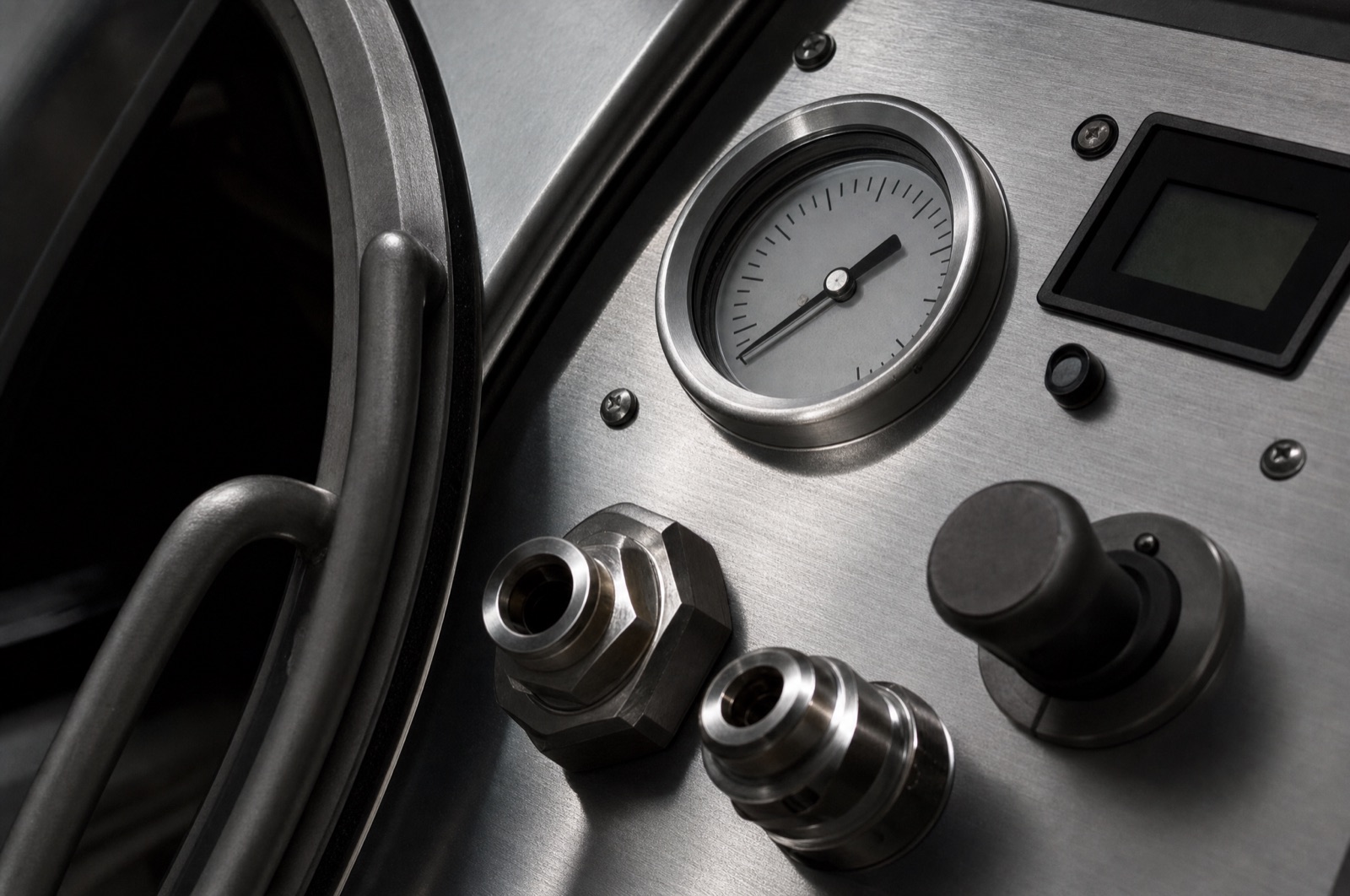
[ Pressure gauge ] Reference imagery; final photography in production
Safety is a set of checks, not a model name
People search for the safest hyperbaric chamber as if one model settles it. The record says otherwise. The serious events we have documented, in our chamber safety guide, come from fire, pressure changing too fast, an aging vessel, a poor breathing gas, improvised bags, and chambers run with nobody watching. A well-built shell does not prevent most of those on its own. The room, the oxygen setup, the clothing rules and the person at the controls do.
So this page does two things. It sets out the criteria we use when we score safety, and it points to where those scores and the paper trail behind them are published. It does not crown a new winner. Every score named here is one already on our scorecard or a review page, and nothing on this page changes them.
The criteria behind our safety sub-score
Safety and certifications is one of six groups in our 27 criteria. Our How We Score page lists what it covers: shell geometry, pressure testing and clearance status, verified against registries, not brochures. In practice that means four questions for every chamber.
| Criterion | What we look for | Where a buyer checks it |
|---|---|---|
| Shell geometry | A rigid hull or a fabric envelope, and its shape under pressure | The maker's specification sheet |
| Pressure testing | The test pressure against the operating pressure | Test records and the pressure vessel paperwork, per ASME PVHO-1 |
| Clearance status | What the FDA cleared, or what the CE certificate covers, and for which uses | The FDA 510(k) database, or the notified body number, per our CE marking guide |
| Verification | Whether we confirmed the claim against a document we can cite | Our Certification Database |
Criteria from How We Score. The checks column links to the guides that explain each document.
Claimed figures carry the word Claimed until we verify them. That rule matters most for pressure, because pressure is the number sellers lead with and the one a buyer can least easily test.
What the scorecard shows today
Four chambers sit on the scorecard. Two have published sub-scores, on their review pages. The other two have an overall Vault Score only, so we do not print a safety figure for them here.
Wellness Vaults may earn a referral fee when you connect with a manufacturer through us. Fees never affect scores. How we make money
| Chamber | Vault Score | Safety and certs | Type | At pressure | Certification status |
|---|---|---|---|---|---|
| OxyHelp OxyLife I90Our Pick | 91/ 100 | 95/ 100 | Hard shell | 1.5 ATA | Partially verified |
| OxyHealth Fortius 420Also Considered | 84/ 100 | 93/ 100 | Hard shell | 3.0 ATA | Partially verified |
| Summit to Sea Shallow Dive | 72/ 100 | Not published | Soft shell | 1.2 ATAClaimed | Verified |
| OxyRevo Pro 32 | 68/ 100 | Not published | Hard shell | 1.5 ATAClaimed | In progress |
Scores from the scorecard and the OxyHelp and OxyHealth reviews. Status from the Certification Database.
Read the safety column for what it is: a sub-score inside a methodology, not a promise about any one session. The OxyHelp review says its shells are tested to 150 kPa and operate at 50 kPa above ambient, about 1.5 ATA, with automatic ear pressure relief and oxygen and carbon dioxide monitoring as standard. The OxyHealth review notes 3.0 ATA capability, the highest on the scorecard, and is spec-and-market based ahead of a hands-on evaluation. A side-by-side of those two is in OxyHelp vs OxyHealth.
What the certification database shows
The database records what each brand claims and what we have verified. None of the four brands is fully verified across every claim. This is the state of the record as published:
| Brand | Claims | What we verified | Status |
|---|---|---|---|
| OxyHelp | CE marking; EU manufacture; hard shells tested above operating pressure | Manufacturer engineering documentation reviewed during scoring. Public registry cross-check in progress. | Partially verified |
| OxyHealth | FDA-cleared devices used in clinical settings at up to 3.0 ATA | Clearance paper trail consistent with insurance-billed clinical use. Registry numbers being compiled. | Partially verified |
| Summit to Sea | FDA clearance (soft shell) | Soft-shell clearances cover acute mountain sickness only. That limit is the finding. | Verified |
| OxyRevo | 1.5 ATA operating pressure | Pressure claim not yet independently verified; scored as claimed, not confirmed. | In progress |
From the Hyperbaric Certification Database, unchanged.
"Partially verified" means we have reviewed the maker's documents and are still cross-checking a public registry. "In progress" means the claim is scored as claimed. The Summit to Sea row is marked verified because the finding is the limit itself: the soft-shell clearance covers acute mountain sickness only.
Fire: the hazard that decides most outcomes
Oxygen does not burn, but it makes everything else burn more easily. The FDA's August 2025 letter to health care providers said the agency was aware of fires with hyperbaric oxygen devices that resulted in serious injuries and deaths, and that the root cause was not known. Its recommendations include following the maker's instructions and fire prevention measures, using proper grounding, training staff, supervising the patient for the whole treatment, and keeping prohibited items out.
None of that is a feature of a chamber model. It is how the chamber is run. The fire code for clinical rooms is NFPA 99 Chapter 14, which our NFPA 99 guide explains, and the patient-side rules on clothing and banned items are in our guide to what to wear in a chamber.
The vessel: pressure rating, testing and age
A pressure vessel with a person inside is the subject of its own engineering standard. ASME PVHO-1 covers the design, fabrication, inspection, testing, marking and stamping of vessels that hold a person at a pressure differential above 2 psi, and the UHMS puts 2 psi at about 1.14 ATA. Home chambers on our scorecard run above that line. The FDA lists PVHO-1-2023 as a recognized consensus standard, but meeting it is not the same thing as FDA clearance, as our PVHO-1 guide sets out.
Age matters too. Zippers, filters, relief valves and acrylic windows all have service needs, and acrylic windows have their own standard, PVHO-2. What a schedule covers is in our maintenance guide, and what to check on a second-hand unit is in the used chamber checklist.
Soft shells and what their clearance covers
A soft shell is a fabric envelope that holds pressure while it is inflated. The FDA clearances we hold for soft chambers cover acute mountain sickness, and the Shallow Dive on our scorecard runs at a claimed 1.2 ATA. The FDA has not cleared soft zippered chambers for use with an oxygen concentrator, which our concentrator guide explains. That does not make every soft chamber unsafe. It means the clearance answers a narrower question than many listings imply, and a buyer should read the cleared uses before reading the marketing. The two designs are compared in hard shell vs soft shell.
Controls you can check on any chamber
Some safety features are visible on a spec sheet or a demo, whatever the brand. These are the ones our sources name:
- Pressure release. OxyHelp says on its home page that its capsule depressurises itself when power fails, that the door opens by hand from inside, and that an emergency release brings pressure down in about 40 seconds, as our space and power guide cites. Ask every seller the same three questions.
- Monitoring. Oxygen and carbon dioxide sensors inside the chamber, and whether they are standard or an option.
- Ear pressure. Whether the pressure change is controlled automatically, and how fast.
- Grounding. A grounding point and the strap or method the maker specifies, per the FDA letter.
- Oxygen delivery. Whether oxygen goes to a mask or hood or fills the chamber, covered in our BIBS guide.
- Supervision. Whether the maker's manual allows use with nobody outside the chamber. The FDA letter asks providers to supervise the whole treatment.
Questions to ask before you buy
Get each answer in writing:
- What is the FDA 510(k) number, and which uses does it list?
- If the chamber is sold as CE marked, which notified body issued the certificate, and what is its number?
- What pressure was the shell tested to, against what operating pressure, and to which standard?
- What happens on power failure, and how does the occupant get out?
- What does the manual say about grounding, clothing and supervision?
- What is the service interval, and which parts have a stated life?
If an answer comes back as an adjective rather than a document, treat it as Claimed. For what ownership costs once the safety questions are settled, see the cost guide.
What we have not verified
- Public registry entries for OxyHelp's CE marking and OxyHealth's FDA clearances. Both rows are partially verified.
- The OxyRevo Pro 32 pressure claim of 1.5 ATA, and the Summit to Sea Shallow Dive figure of 1.2 ATA, which we score as claimed.
- Safety sub-scores for the Shallow Dive and the Pro 32. We have not published them, so this page does not either.
- Hands-on testing of any chamber. The reviews are spec-and-market based, and scores will be re-verified after testing.
If you hold a document that settles any of these, the corrections page says how to send it.
Frequently asked
What is the safest hyperbaric chamber?
No chamber is safe on its own; the room, the supervision and the rules around oxygen matter as much as the shell. On our published scorecard the highest Safety and certifications sub-score is 95 / 100, for the OxyHelp OxyLife line, followed by 93 / 100 for the OxyHealth Fortius 420. Those are the only two chambers with published sub-scores.
Are hard-shell chambers safer than soft-shell chambers?
They are different devices built to different limits. Hard shells on our scorecard operate at 1.5 to 3.0 ATA in rigid, pressure-tested hulls. Soft shells run near 1.3 ATA, and the FDA clearances we hold for them cover acute mountain sickness only. Our hard shell vs soft shell guide sets out the trade-offs without ranking one as safe and the other as not.
What causes most serious hyperbaric chamber accidents?
Fire. Oxygen makes material ignite more easily and burn faster. In August 2025 the FDA told providers it was aware of fires with hyperbaric oxygen devices that resulted in serious injuries and deaths, said the root cause was not known, and listed grounding, staff training, supervision and keeping prohibited items out among its recommendations.
How can I check a seller's safety claims?
Ask for documents, not adjectives: the FDA 510(k) number and its cleared uses, the CE certificate with its notified body number if the chamber is sold as CE marked, and the pressure vessel paperwork for the shell. Our FDA cleared vs registered guide shows how to look up a K-number yourself.
Why do some scorecard rows say "Claimed"?
Because we have not verified the figure. The Summit to Sea Shallow Dive pressure of 1.2 ATA and the OxyRevo Pro 32 pressure of 1.5 ATA are scored as the makers state them, and they carry the word Claimed until we confirm them against a document we can cite.

Alex tests the machines himself, in clinics and studios on three continents. Every score comes from the same 27 public criteria, and no manufacturer has a say in them.
Six questions, and we'll match chamber, options, and install to your space and budget.