1.3 vs 1.5 vs 2.0 ATA: Hyperbaric Pressure Ratings Explained
Researched and scored by Alex Evans. Last reviewed August 2026. Corrections are dated and public. See corrections
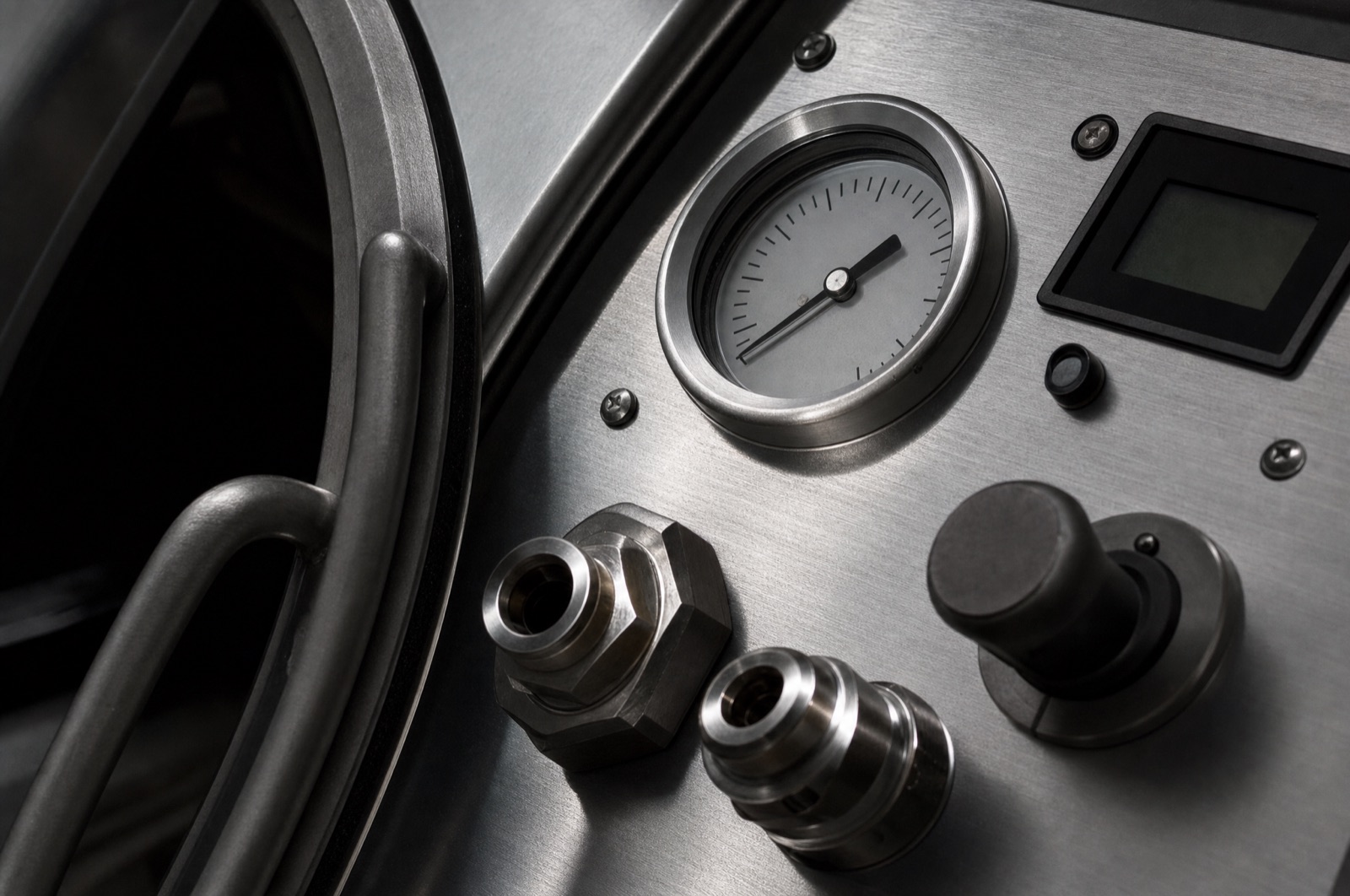
[ Pressure gauge ] Reference imagery; final photography in production
ATA, in plain terms
You live at 1.0 ATA: one atmosphere of pressure, the weight of the air above you. A chamber adds to that. At 1.3 ATA you are carrying 30% more pressure than sea level, about what a diver feels at 3 meters. At 1.5 ATA it is half again more. At 2.0 ATA you are at the pressure of a 10-meter dive, and you have left the wellness market entirely.
Spec sheets sometimes talk in kPa instead, which measures the added pressure: 30 kPa above ambient is about 1.3 ATA, and 50 kPa is about 1.5 ATA. When a manufacturer says a shell is tested to 150 kPa and limited to 50, as the chambers in our scorecard are, that gap between tested and operating pressure is the safety margin, and it is one of the numbers we score.
The three pressure tiers
| Tier | Pressure | What lives here |
|---|---|---|
| Mild | 1.3 ATA | Soft shells. FDA-cleared for altitude sickness. The entry point. |
| Wellness hard-shell | 1.5 ATA | Home capsules and studio chambers. Where the market we score mostly lives. |
| Clinical | 2.0 to 3.0 ATA | Medical HBOT for cleared indications, physician-supervised, facility-based. |
Comparing the two ends of the table directly? The 2.0 ATA vs 1.3 ATA head to head sets shell, rules, cost and space side by side. Where the mild band ends and medical treatment begins, and who sets that line, is the subject of mild vs medical hyperbaric.
Why pressure sets the price
Force is pressure times area, and a chamber has a lot of area. Every step up in operating pressure multiplies the load the shell, seals, doors, and windows must carry for thousands of sessions without complaint. Fabric gets you to 1.3 ATA cheaply. A tested aluminum cylinder gets you to 1.5 ATA for tens of thousands of dollars. Clinical pressure gets you into medical-device engineering and medical-device prices. When a chamber seems suspiciously cheap for its claimed pressure, the pressure claim is usually the thing that is wrong, which is why we check it first.
What this means for your purchase
Decide the pressure tier before you shop, because it decides everything else: price band, product type, and what you can honestly expect from the purchase. Then verify the chamber actually delivers its claimed pressure, in writing. The scorecard does that verification for every brand we cover, and hard shell vs soft shell covers the construction side of the same story.
Pressure tier also sets your budget, which is where the cost guide picks the thread up. The brand that scores highest at 1.5 ATA is covered in our OxyHelp review.
Converting the units vendors mix
Manufacturers quote pressure in whichever unit flatters the product: ATA, PSI, kPa, bar, feet of seawater, meters of depth. They all describe the same thing. This table is the decoder:
| ATA | PSI above ambient | kPa above ambient | Seawater equivalent |
|---|---|---|---|
| 1.3 | 4.4 | 30 | 10 ft / 3 m |
| 1.5 | 7.4 | 51 | 16.5 ft / 5 m |
| 2.0 | 14.7 | 101 | 33 ft / 10 m |
| 3.0 | 29.4 | 203 | 66 ft / 20 m |
Wellness Vaults conversion table. One ATA equals 14.7 psi or 101.3 kPa at sea level; 33 feet of seawater adds one atmosphere.
What the altitude equivalents mean
Pressure runs both directions, and the soft-shell story makes more sense through the altitude lens. A 1.3 ATA chamber at sea level puts your body at the equivalent of roughly 2,500 meters below sea level in air pressure terms, which is why the FDA clearance for soft shells targets acute mountain sickness: the device recreates a descent. Clinical chambers at 2.0 ATA and above are a different physiological event entirely, and treating the two as one category is the core dishonesty this guide exists to correct.
How to verify a pressure claim
A number on a sales page is a claim, not a spec. Verification, in order of strength: a pressure test certificate from a named testing body with a date and a serial number; an engineering file that states operating and test pressure separately, with the test figure meaningfully higher; and a manual that shows the same numbers as the marketing. When the three disagree, score the lowest number as true. Our own checks live brand by brand in the Certification Database, and OxyRevo's 1.5 ATA claim sits there as claimed, not confirmed, for exactly this reason.
Frequently asked
What does ATA stand for?
Atmospheres absolute: total pressure including the atmosphere already around you. Sea level is 1.0 ATA, so a chamber at 1.5 ATA adds half an atmosphere on top of normal air pressure.
What pressure do home hyperbaric chambers reach?
Soft shells operate around 1.3 ATA. Hard-shell home and studio chambers typically run up to about 1.5 ATA; the OxyHelp line, for example, operates at up to 50 kPa above ambient, which is roughly 1.5 ATA. Clinical chambers for medical treatment run 2.0 to 3.0 ATA.
Is higher pressure always better?
No. Higher pressure means clinical territory with clinical supervision requirements and clinical prices. The right question is what pressure your intended use actually calls for, and whether the chamber you are buying genuinely reaches it.
How do I convert ATA to PSI or kPa?
One ATA is normal sea-level pressure: 14.7 psi or 101.3 kPa. A 1.3 ATA chamber adds about 4.4 psi over ambient, 1.5 ATA adds about 7.4 psi, and 2.0 ATA adds 14.7 psi, doubling the load on every seal and window.
Is a higher ATA rating always better?
No. Higher pressure is a capability, not a result. It widens which protocols a chamber can run, but it raises the price, the engineering burden, and the supervision a session deserves. Match the rating to the protocols you will actually run.
Why do some brands advertise pressure in feet of seawater?
Diving heritage. 33 feet of seawater equals one additional atmosphere. It reads impressively and obscures comparison, which is often the point. Convert everything to ATA before comparing brands.

Alex tests the machines himself, in clinics and studios on three continents. Every score comes from the same 27 public criteria, and no manufacturer has a say in them.
Six questions, and we'll match chamber, options, and install to your space and budget.