How Much Does a Hyperbaric Chamber Cost in 2026?
Researched and scored by Alex Evans. Last reviewed August 2026. Corrections are dated and public. See corrections
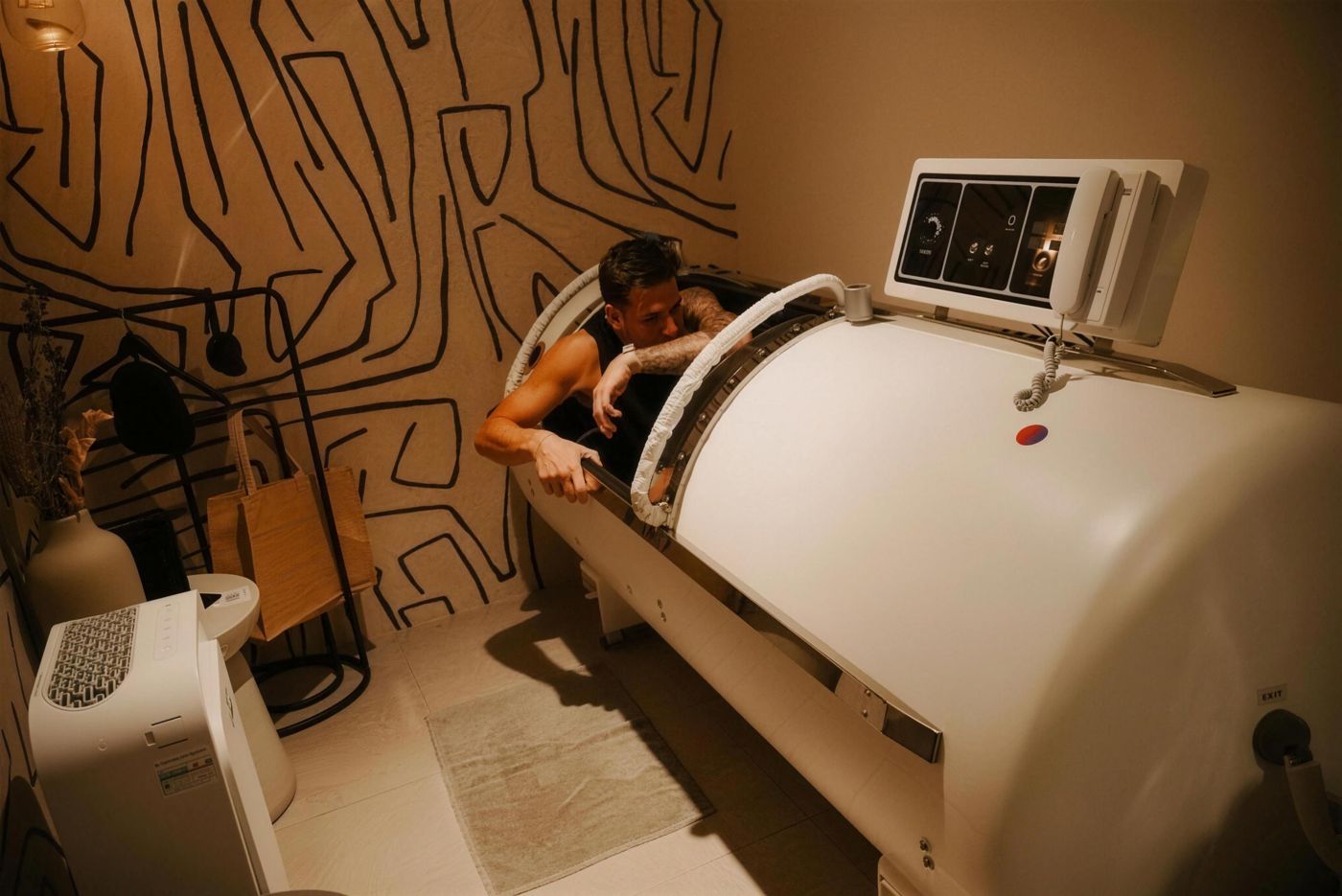
[ Hard-shell chambers ] Reference imagery; final photography in production
What drives the price
Four things set the number: shell material and geometry, maximum operating pressure, seat count, and the oxygen system. Everything else is trim.
A cylindrical aluminum shell that operates at 50 kPa above ambient and gets tested to three times that costs real money to build. Stitched fabric with a zipper does not. That one difference explains most of the gap between a soft shell at $8,000 and a hard capsule at $55,000, and it also explains what each can do. The pressure story has its own page: 1.3 vs 1.5 vs 2.0 ATA, explained.
Real prices, verified August 2026
| Chamber | Seats | List price |
|---|---|---|
| OxyLife I80 | 1 | $55,500 |
| OxyLife I90 | 1 | $58,500 |
| OxyLife C1E | 1 | $133,200 |
| OxyLife C2 | 1 to 2 | $156,900 |
| OxyLife C3 | 1 to 4 | $180,900 |
| OxyLife C4 | 1 to 5 | $204,900 |
| OxyLife C5 | 1 to 6 | $220,900 |
Source: OxyHelp 2026 USD price list. Competitor pricing is quote-based; we publish verified ranges in each brand review as we confirm them.
The options nobody quotes you
The sticker is not the invoice. These are the add-ons from the same price list, and the first two are close to mandatory for daily use:
- Oxygen concentrator (20 L/min): $5,700
- Air conditioning: $4,150. Chambers get warm under pressure, and an hour in a warm tube is an hour you will not repeat
- Automated oxygen control: $2,400 plus $720 per seat
- Smart protocol software: $6,000
- UPS backup power: $1,080 to $2,880 depending on chamber size
- Comfort and entertainment packages: $840 for a soundbar up to $10,200 for automated recliners
A realistic home setup lands 10 to 20% above list. A clinic install with seating, entertainment, and full oxygen control can add $30,000 or more to a C-series chamber.
Running costs and financing
Budget for power first: 2 kWh peak draw for the capsules and 3.5 kWh for the C-series, per the manufacturer electrical specs. After that it is concentrator maintenance and an annual safety inspection. None of it is dramatic, but it belongs in the math before you buy, especially for a clinic. Equipment financing covers chambers the same way it covers any capital equipment; the clinic ROI guide runs the payback scenarios.
Two pages carry this further. Every model we have pricing for sits in the Price Index with its source and check date, and if you are weighing a purchase against paying per session, the break-even math is set out separately. When the budget is settled, the scorecard names which chamber earns it.
Value for volume: our dollars per liter index
List prices on their own hide a pattern, so we built a simple index: list price divided by pressurized volume. It is the quickest way we know to see what a dollar actually buys across the range, and nobody else publishes it.
| Model | List | Volume | $ per liter |
|---|---|---|---|
| OxyLife I80 | $55,500 | 1,060 L | $52.4 |
| OxyLife I90 | $58,500 | 1,350 L | $43.3 |
| OxyLife C1E | $133,200 | 4,730 L | $28.2 |
| OxyLife C2 | $156,900 | 5,030 L | $31.2 |
| OxyLife C3 | $180,900 | 7,010 L | $25.8 |
| OxyLife C4 | $204,900 | 8,980 L | $22.8 |
| OxyLife C5 | $220,900 | 10,960 L | $20.2 |
Wellness Vaults analysis. Computed from the OxyHelp 2026 USD price list and the manufacturer volume specifications; update follows every price list revision.
Two things fall out of the table. The I90 is better value than the I80 per liter of chamber, which matches our scoring: the wider bore costs $3,000 more and buys 27% more space. And the C-series gets cheaper per liter as it grows, which is why a clinic sizing up rarely regrets it, while a home buyer paying for empty seats always does.
What a session costs to run
Electricity is the cost people overestimate most. At the average US residential rate of about $0.17 per kWh, the math is small:
| Chamber type | Draw | Per session | Per year, daily use |
|---|---|---|---|
| Home capsule (I80, I90) | 2 kWh | $0.34 | $124 |
| Multi-seat (C-series) | 3.5 kWh | $0.60 | $217 |
A year of daily sessions in a home capsule costs about as much electricity as one clinic visit. The budget lines that matter more: concentrator filter service, the annual safety inspection, and cooling the room the chamber lives in, since an hour at pressure in a warm room is an hour you will not repeat.
Buying used without getting burned
Used hard shells surface at 40 to 60% of list, and some are genuinely good buys. The difference between a bargain and a liability is paperwork. Before money moves, demand three things: the full service history with dates, the original pressure test certificate, and a pre-purchase inspection by someone who did not sell it. A shell with no service record is a pressure vessel of unknown fatigue, and no discount prices that correctly. Soft shells we would not buy used at all: zippers and seams wear invisibly, and replacement is most of the price of new.
Frequently asked
Why do hyperbaric chambers cost so much?
Pressure. A shell that holds 50 kPa above room pressure, session after session, has to be engineered, tested, and certified like the pressure vessel it is. That work is most of the price gap between an $8,000 soft shell and a $55,000 hard shell.
Can you finance a hyperbaric chamber?
Yes. Chambers qualify for standard equipment financing, and clinic buyers routinely lease them. For a business the payment usually pencils out against session revenue; our clinic guide walks through the math.
Is a used hyperbaric chamber a good idea?
Sometimes, with a full service history and a pre-purchase inspection. Without those two things you are buying a pressure vessel of unknown condition, and no discount makes that a good trade.
How much does it cost to run a hyperbaric chamber per month?
Less than most buyers expect. A home capsule drawing 2 kWh per session costs about 34 cents of electricity per hour-long session at the average US residential rate, roughly ten dollars a month at daily use. The real recurring costs are concentrator maintenance and the annual inspection.
Why do bigger chambers cost less per liter?
Shell cost does not scale linearly with volume. Our dollars per liter index shows the C5 at about $20 per liter of pressurized space against $52 for the smallest capsule. You pay for the engineering threshold first and the size second.

Alex tests the machines himself, in clinics and studios on three continents. Every score comes from the same 27 public criteria, and no manufacturer has a say in them.
Six questions, and we'll match chamber, options, and install to your space and budget.